
The Long Shadow of Impunity
Los pacientes del doctor GarcíaThis flow traces how postwar protection of Nazi fugitives becomes normalized, profitable, and politically entrenched in Spain and Argentina.
increasing Bearing strength in each event
 decreasing
Bearing strength in each eventdecreasingA Refuge After Defeat
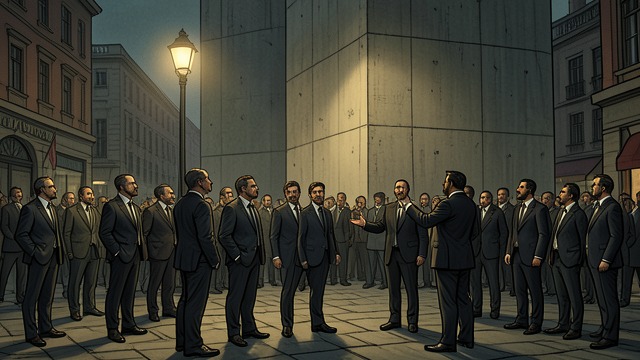
Spain as Shelter
Fugitives arrive
Former Nazi and collaborationist figures cross into Spain as Allied demands for extradition begin.
Selective cooperation
The Franco government yields only when politically convenient, as the case of Pierre Laval demonstrates.
The List of 104
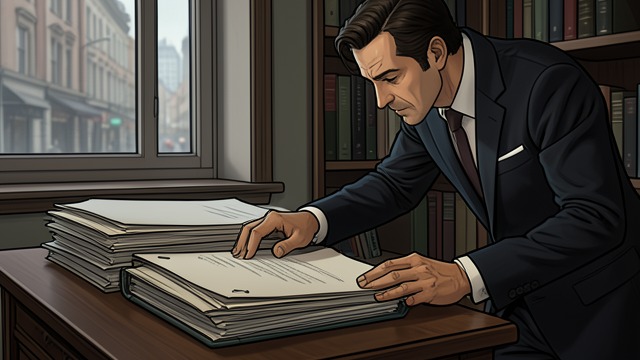
A Formal Protest
Allied demands
The Allied Control Council submits a list of wanted German nationals, including Stauffer and prominent network figures.
Madrid stalls
Spanish officials use citizenship claims, missing-person excuses, and political influence to protect those named.
Perón’s Reception System
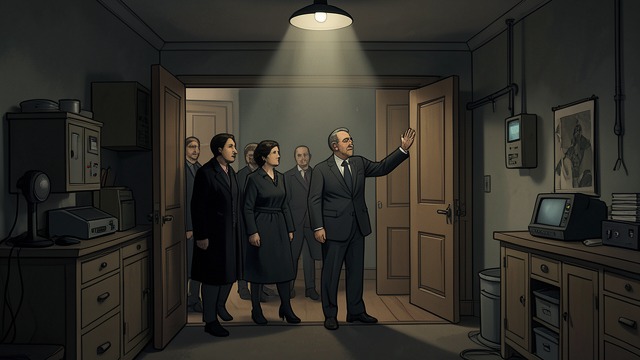
Organized Escape to Argentina
State and private actors
Perón’s circle creates a reception structure for European fugitives, aided by wealthy German sympathizers and collaborators.
Escape becomes policy
The network is not merely charitable; it helps former perpetrators relocate and rebuild their lives.
The Loot Trade
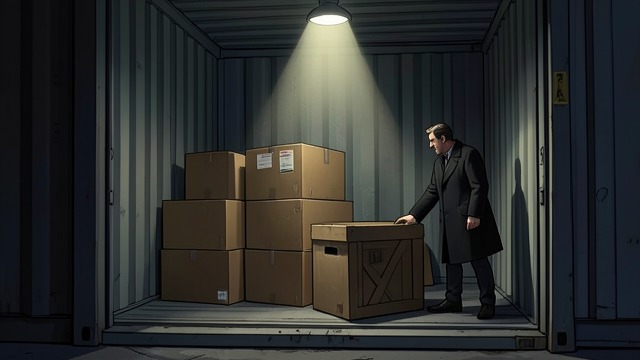
Profits from Stolen Property
Cargoes move through Spain
Guillermo helps conceal paintings, valuables, and other assets in commercial shipments arranged by Skorzeny and Lazar.
Complicity becomes wealth
His success enriches him while binding him to a criminal enterprise he does not morally accept.
A System Outlives Its Founders

Protection Becomes Normal
Careers and cover
Fugitives gain Spanish papers, business positions, and official protection, while the network persists beyond its original emergency.
A continuing injustice
The novel presents impunity as an institutional choice sustained by anticommunism and political convenience.
1945
October 1947
1947–1948
1949
1950s onward
